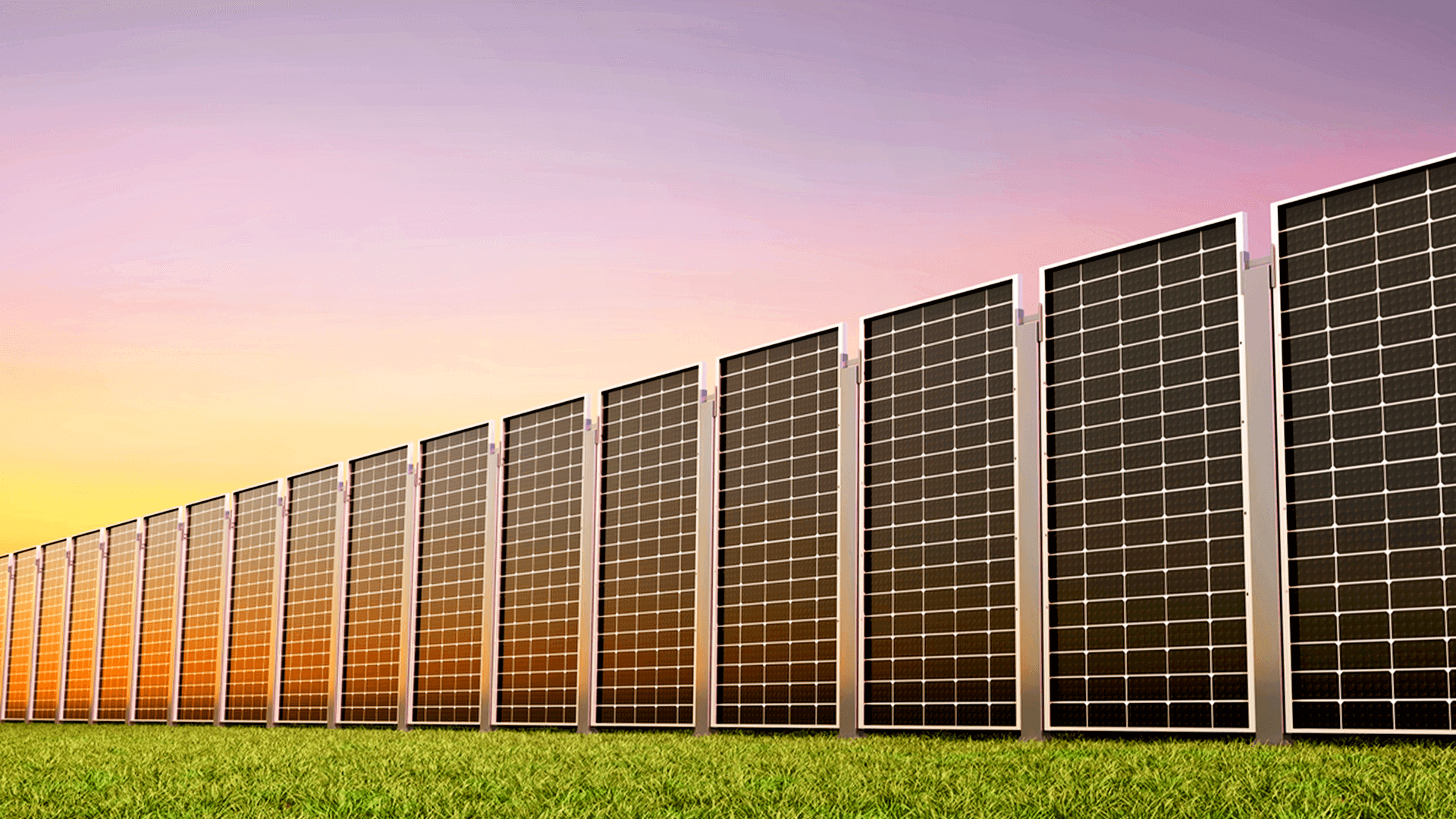
Coastal agricultural sites expose photovoltaic structures to salt aerosols, moisture, fertilizers, animal waste, soil contact, and frequent wet-dry cycles. These conditions can accelerate uniform corrosion, pitting, crevice attack, and galvanic reactions at joints long before major section loss becomes visible.
A vertical solar mount using pre-anodized aluminum can improve resistance to surface corrosion, but does not by itself eliminate galvanic corrosion. Alloy selection, coating thickness, sealing, fasteners, isolation, drainage, and fabrication controls still require appropriate specification. Antaisolar offers vertical structures for pastures and boundary applications, while project buyers should confirm whether anodized aluminum applies to the exact components quoted.
Understanding Galvanic Risk in Coastal Agriculture
Galvanic corrosion occurs when dissimilar conductive materials are electrically connected in the presence of an electrolyte. Salty moisture provides an efficient path for ion movement, and the more anodic material tends to act as the anode under the specific galvanic conditions. The relative surface areas, exposure duration, temperature, and oxygen availability influence the attack rate.
Aluminum joined to carbon steel, stainless steel, copper-bearing equipment, or damaged coated parts deserves detailed review. A small anodic aluminum area coupled to a much larger cathodic surface can increase the severity of localized galvanic attack. Fertilizer deposits and animal waste may also create concentrated electrolytes and crevices that remain wet.
Antaisolar positions its vertical solution for pastures, fences, highways, and guardrails, where the mounting line may serve both generation and enclosure. Those uses increase the importance of splash zones, ground clearance, livestock contact, cleaning chemicals, and accessible joints in the corrosion assessment.
Site classification should use measured or defensible environmental information. Distance from the sea, prevailing wind, salt deposition, rainfall, humidity, irrigation, soil chemistry, fertilizer practices, and cleaning frequency help determine whether standard atmospheric protection is adequate or a more demanding system is needed.
Specifying and Preserving the Anodized Layer
Anodizing converts the aluminum surface into a controlled oxide layer that is integrated with the substrate. Thickness, pore sealing, alloy composition, pretreatment, color, and acceptance method affect performance. Certificates and test reports should identify the component, batch, standard, measured values, and allowable repair practice.
When anodized aluminum is cut or drilled after treatment, newly exposed edges or holes may require additional protection depending on the fabrication process. Project specifications for a vertical solar mount must address those locations through permitted fabrication sequences, compatible repair systems, drainage, and avoidance of water-trapping crevices.
Antaisolar provides tailor-made design and customized production for vertical projects. That capability can support project-specific isolation washers, fastener selection, post details, enclosure height, drainage, and access, but every variation should remain linked to approved drawings and documented materials rather than verbal assumptions.
Handling and installation can damage the finish. Packing should prevent rubbing, metal swarf must be removed, tools should not contaminate surfaces, and cut edges need prompt treatment. Torque control protects both connection capacity and isolating washers from crushing or displacement.
Building Corrosion Control Into Operations
Inspection plans should focus on lower edges, fasteners, scratches, joints, soil interfaces, fertilizer accumulation, animal-contact zones, and sheltered crevices. Baseline photographs and coating records at commissioning help maintenance teams distinguish original appearance from active deterioration.
Cleaning should remove salt and agricultural residues without using chemicals that attack aluminum, seals, or adjacent coatings. Fresh-water rinsing, drainage clearance, and vegetation control may be appropriate according to site conditions. Aggressive abrasives can remove protection while concealing the cause of staining.
The vertical configuration from Antaisolar is described as space-efficient, effective at capturing sunlight, suitable for enclosure applications, and designed to facilitate inspection and cleaning access. Coastal farm design should add corrosion-specific access, electrical bonding, animal safety, and runoff management to those functional objectives.
Durable protection comes from a coordinated material system rather than an alloy label alone. Confirmed anodizing, isolated dissimilar metals, protected fabrication edges, controlled installation, drainage, and periodic inspection allow a coastal vertical array to manage electrochemical risk across its intended service life.
