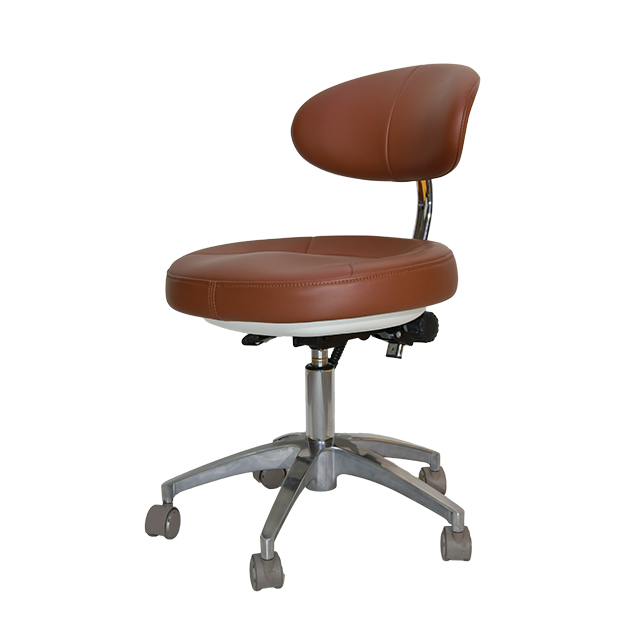
Dental professionals spend many hours performing precise procedures that require concentration, stability, and controlled movement. While advanced dental units and instruments receive significant attention, operator seating also has a direct impact on daily clinical performance. A suitable seating solution helps clinicians maintain comfortable working positions and reduce physical stress during extended treatments.
Roson recognizes that modern dental practices need equipment solutions that support both workflow efficiency and practitioner well-being. The selection of professional seating should be based on ergonomics, flexibility, durability, and compatibility with the overall clinical environment rather than simple appearance.
A well-designed working area allows dentists and assistants to move naturally around patients while maintaining proper posture. This is especially important because repeated awkward positions may influence comfort, focus, and long-term working efficiency.
Why Dental Stool Selection Shapes Clinical Success?
A dental stool plays an important role in creating an ergonomic treatment environment. Unlike ordinary office seating, it is designed around the unique movements and positioning requirements of dental professionals. Height adjustment, back support, mobility, and seat design all contribute to better control during procedures.
The most effective seating options allow clinicians to adjust their position according to different treatments. Restorative dentistry, implant procedures, orthodontic work, and general examinations may require different working angles. Flexible adjustment features help dentists maintain visibility while keeping their body aligned.
Many successful dental practices evaluate seating as part of their complete operatory design. A stable base, smooth movement, and easy cleaning surfaces are practical factors that influence daily usability. Professional models often include adjustable height systems, supportive backrests, and rolling mechanisms that allow smooth repositioning during treatment. Roson’s dental seating solutions emphasize ergonomic structures and adjustable functions designed for clinical environments.
Another important consideration is durability. Dental clinics operate continuously, meaning equipment must withstand frequent use and regular cleaning procedures. Materials that are resistant to wear and easy to maintain can help reduce replacement frequency and support better long-term value.
How a Dental Stool Chair Supports Modern Workflows?
A dental stool chair is more than a simple seat because it becomes part of the dentist’s working system. The right design supports closer patient access, improves operational flexibility, and helps clinicians maintain consistent positioning throughout different procedures.
Successful practices often consider how seating interacts with dental units, instrument delivery systems, lighting, and assistant positioning. When each element is properly arranged, dentists can reduce unnecessary movements and create a smoother treatment process.
Ergonomic design is especially valuable during long appointments. A seat that supports natural spinal alignment and allows customized adjustment can help reduce discomfort caused by maintaining fixed positions for extended periods. Features such as adjustable backrests, forward tilt functions, and flexible movement options allow professionals to adapt the chair according to their individual working habits.
Dental clinics with high patient volumes often discover that small improvements in operator comfort can create meaningful workflow benefits. When practitioners can move efficiently and remain comfortable, they may maintain better concentration throughout complex procedures.
In addition, hygiene requirements influence seating decisions. Clinical furniture should have surfaces that are easy to clean and suitable for daily disinfection routines. Seamless designs and durable upholstery materials help practices maintain professional standards while reducing maintenance challenges.
Practical Lessons From Practices Using Ergonomic Seating
Many dental practices that upgrade their operator seating follow several common principles. First, they focus on the needs of the clinician rather than choosing equipment based only on initial cost. A lower-priced option may not provide the necessary support, adjustment range, or durability required for daily professional use.
Second, successful clinics evaluate seating together with the entire treatment area. The relationship between the operator chair, dental unit, patient chair, and instruments determines how efficiently the team can work. A properly planned workspace reduces unnecessary reaching, twisting, and repositioning.
A dental stool should also match the working style of different professionals. Dentists with different body sizes, specialties, and treatment techniques may require different adjustment settings. Customizable designs allow each user to create a more personalized and comfortable position.
Roson develops dental equipment solutions with attention to practical clinical requirements, including mobility, ergonomic support, and daily operational needs. By considering how practitioners actually work, equipment manufacturers can provide solutions that contribute to better treatment environments.
Another lesson from successful practices is the importance of long-term reliability. Clinics should consider product construction, maintenance requirements, and supplier support when making purchasing decisions. Equipment that performs consistently over time can help protect operational efficiency and reduce unexpected disruptions.
Choosing the Right Seating Solution for Future Growth
As dental practices continue to modernize, equipment decisions are increasingly connected with productivity, comfort, and workplace sustainability. Seating is no longer viewed as an accessory but as an essential part of clinical infrastructure.
A dental stool chair should provide a balance between ergonomic support, movement flexibility, hygiene considerations, and durability. Clinics that carefully evaluate these factors can create treatment spaces that support both practitioners and patients.
The best purchasing decisions come from understanding daily challenges inside the operatory. Factors such as procedure length, available workspace, clinician preferences, and maintenance expectations should all influence the final choice.
For distributors and clinic owners, selecting reliable equipment partners is equally important. Manufacturers with strong product development capabilities and attention to clinical feedback can help practices build efficient and comfortable work environments.
Conclusion
Operator seating has a significant influence on the quality and efficiency of modern dental workflows. A carefully selected solution supports better posture, easier movement, and improved comfort during demanding procedures.
By viewing seating as an integrated part of the dental workspace, clinics can make smarter equipment investments and create environments designed for long-term success. Roson continues to focus on developing practical dental solutions that address the evolving needs of professionals worldwide.
The experience of successful practices shows that small improvements in workplace design can create valuable benefits over time. Choosing the right dental stool chair is a strategic step toward building a more efficient, comfortable, and sustainable dental practice.
