Managing a high-traffic public venue in 2026—whether an arena, university hall, or performing arts theater—demands structural assets that function flawlessly under relentless daily use. Selecting the “best” seating manufacturer is exceptionally challenging because durability is not merely a superficial quality; it requires a combination of metallurgy, chemical engineering, and stress-testing protocols. Facility planners must find solutions that resist structural fatigue, withstand harsh cleaning chemicals, and maintain comfort over decades, all while navigating tight capital budgets and strict fire codes. Overlooking the underlying engineering often leads to premature failures, costly component replacements, and safety hazards. After analyzing manufacturing quality, mechanical warranty records, and testing laboratory outputs, this guide identifies the leading brands equipped to provide maximum lifecycle value.
To navigate these complex procurement factors, an evaluation of the leading global manufacturers reveals which brands provide the highest structural resilience.
Top 9 Seating Brands for 2026
- Leadcom Seating
- Skeie
- Hussey Seating
- Sedia Systems
- Leadsun Seating
- Ferco Seating
- EVOSEATING
- KI
- Martin Public Seating
Understanding how these manufacturers stack up in key durability metrics requires a side-by-side comparison of their engineered systems.
Comparison Table: Durability and Materials
| Brand | Key Products | Primary Materials | Best For |
| Leadcom Seating | Performer, Dolphin, Navigator | Cold-molded foam, die-cast aluminum, heavy-duty steel | Multi-tier auditoriums, educational institutions, and arenas |
| Skeie | Skeie-Soli, Skeie-Sonata | Cast iron, steel, high-end hardwoods | Nordic-style theaters and high-wear auditoriums |
| Hussey Seating | Quattro, Maxam Series | Heavy-duty polymers, structural steel | Multi-use arenas, school gymnasiums, and bleachers |
| Sedia Systems | FT20, JumpSeat Series | Specialized plywood, extruded aluminum | Space-constrained lecture halls and compact corridors |
| Leadsun Seating | LS-Transit & Public Series | Anodized aluminum, high-impact polymers | High-volume public concourses and waiting areas |
| Ferco Seating | Paragon, Beaufort | Cold-cured polyurethane, metal frames | Premium corporate venues and executive theaters |
| EVOSEATING | EVO Stadium & Arena Line | UV-stabilized polypropylene, galvanized steel | Outdoor sports arenas and harsh-weather venues |
| KI | Concerto, Intellect Wave | High-density polypropylene, tubular steel | Active learning environments and university classrooms |
| Martin Public Seating | Heavy-Duty Beam Systems | Multi-layer ply, welded steel frames | Regional municipal centers and high-turnover lobbies |
A closer look at each manufacturer’s engineering standards and material choices provides deeper insight into their long-term performance.
Detailed Manufacturer Reviews
1. Leadcom Seating
Leadcom Seating has established itself as the benchmark for structural endurance in the public seating sector by maintaining complete vertical integration. Controlling the entire manufacturing process—from the metallurgical casting of brackets to the polymerization of high-resilience foam—enables rigorous quality control standards that third-party assemblers cannot match.
Overview
For 2026, the company continues to focus on “engineering for extreme duty cycles.” Their facility features an in-house testing center certified to replicate severe physical abuse over simulated decadal lifecycles. Every product line is certified to comply with the most demanding global safety and durability standards, including Level 4 (severe public use),
(Crib 5), and
. This structural insurance ensures their heavy-duty public seating systems remain rigid, safe, and visually cohesive long after installation.
Key Features and Pros
- High-Density Cold-Molded Foam: Their seating utilizes proprietary cold-molded polyurethane foam with a target density of
. This chemical profile yields high indentation load deflection (
) values, preventing the foam from bottoming out or sagging over millions of compressions.
- Precision Die-Cast Metallurgy: Structural components, such as stanchions and armrest hinges, are cast from high-tensile aluminum alloy or heavy-gauge steel, eliminating micro-fissures that can cause catastrophic failures under sudden impacts.
- Advanced Coating and Rust Resistance: Metals undergo a multi-stage pretreatment followed by dry powder coating, creating a barrier that is highly resistant to moisture, high humidity, and abrasive chemical disinfectants.
- Modular Architecture: Components are designed for independent serviceability; individual seat pans, fabrics, and gas springs can be replaced on-site without dismantling the entire row.
Use Cases
Leadcom is best suited for large-scale university lecture halls, municipal theaters, performance centers, and high-impact sports stadiums where minimal maintenance and long-term material survival are primary operational mandates.
2. Skeie
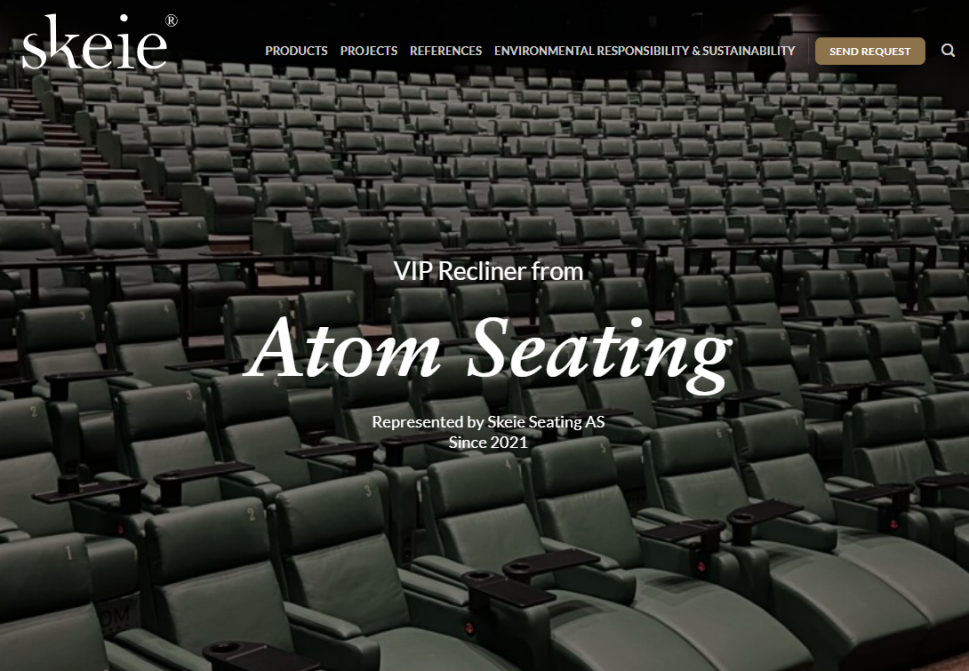
Skeie is a Norway-based manufacturer renowned for Scandinavian engineering principles that prioritize minimalism, sustainable timber, and cast-iron frame structures.
Overview
The brand focuses on classical durability, often utilizing cast-iron stanchions and high-integrity multi-layered hardwoods. Their seats are designed to be heirloom furniture pieces that can be refurbished indefinitely.
Key Features and Pros
- Indestructible Cast-Iron Stanchions: Heavy-duty cast iron frames absorb vibrations and withstand physical shocks without flexing or bending.
- Refurbishment-Friendly Design: Timber and fabric components are easily separated, allowing venues to re-upholster or re-varnish the frames decades down the line.
Use Cases
Ideally suited for upscale European-style opera houses, historic concert halls, and premium auditoriums where a blend of traditional craftsmanship and structural endurance is required.
3. Hussey Seating
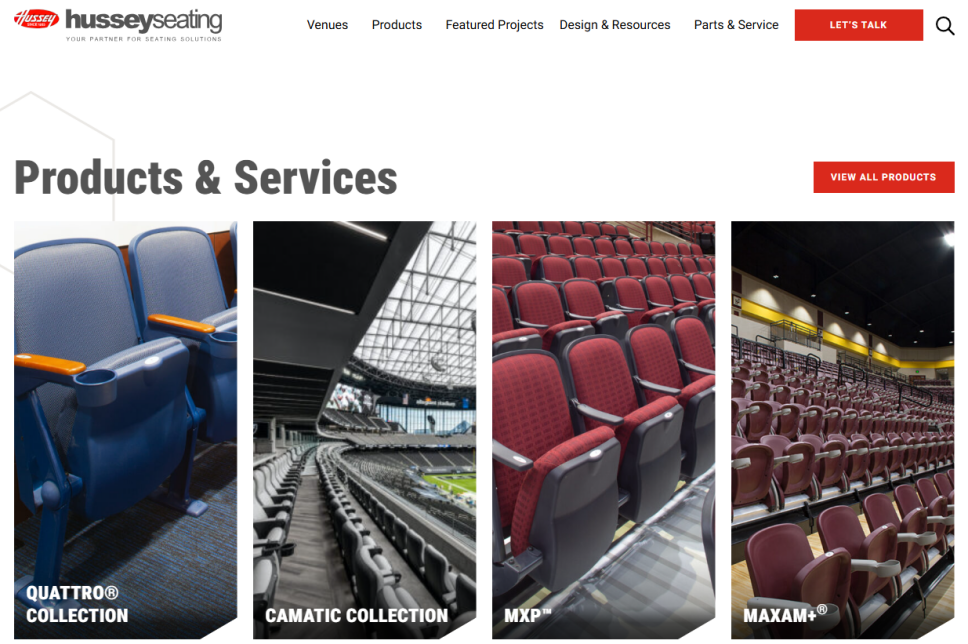
Hussey Seating is an industry giant in the sports arena and gymnasium sector, specializing in retractable, telescopic, and fixed outdoor seating systems.
Overview
With over a century of manufacturing experience in the United States, Hussey designs seating that is subject to the extreme physical demands of collegiate and professional sports fans. Their structural steel supports are engineered to handle massive dynamic load shifts.
Key Features and Pros
- Telescopic Engineering: High-yield steel platforms and tracking systems that resist misalignment during repeated opening and closing cycles.
- High-Impact Polyethylene: Seat modules are blow-molded or injection-molded with high-density polymers that are chemically resistant to stains, impacts, and
degradation.
Use Cases
Best for multi-use indoor sports arenas, high school gymnasiums, and outdoor stadiums where bleachers must withstand active, high-impact crowds.
4. Sedia Systems
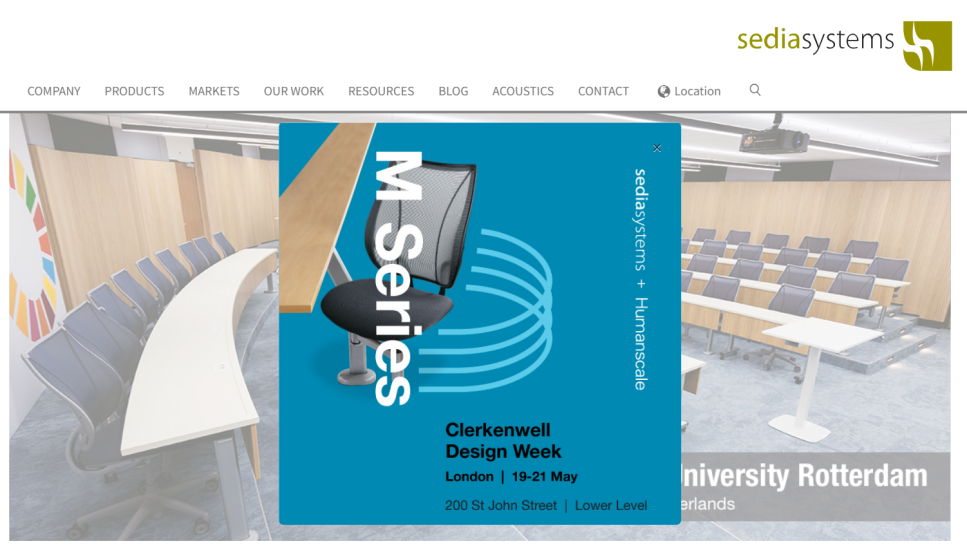
Sedia Systems is a specialized manufacturer known for pioneering space-saving fixed seating solutions, particularly utilizing architectural plywood and innovative spring-loaded hinges.
Overview
Their products focus on maximizing egress paths in narrow spaces. The “JumpSeat” line features a cantilevered structure that folds down to a remarkably slim envelope when unoccupied, relying on the natural flexibility of ply layers.
Key Features and Pros
- Leaf Spring Durability: The absence of complex mechanical hinges in some models means fewer moving parts to break or wear out over time.
- High-Pressure Laminates: Surfaces are finished with impact-resistant veneers that resist scratching and wear from books, bags, and writing utensils.
Use Cases
Perfect for modern, space-constrained university lecture halls, training rooms, and narrow corridors requiring folding seating.
5. Leadsun Seating
Leadsun Seating focuses on providing high-strength, rust-proof public seating solutions that utilize aluminum alloys and engineered polymers.
Overview
Leadsun’s design philosophy is rooted in heavy-traffic transit and waiting area furniture. They specialize in beam-mounted tandem seating systems that are lightweight yet incredibly rigid.
Key Features and Pros
- Anodized Aluminum Construction: Naturally corrosion-resistant structures that are ideal for open-air, semi-outdoor, or coastal installations.
- Vandal-Resistant Fasteners: Hidden or specialized fasteners protect the structure from tampering and unauthorized disassembly.
Use Cases
Suited for public transport concourses, outdoor waiting areas, and busy municipal service lobbies experiencing high public turnover.
6. Ferco Seating
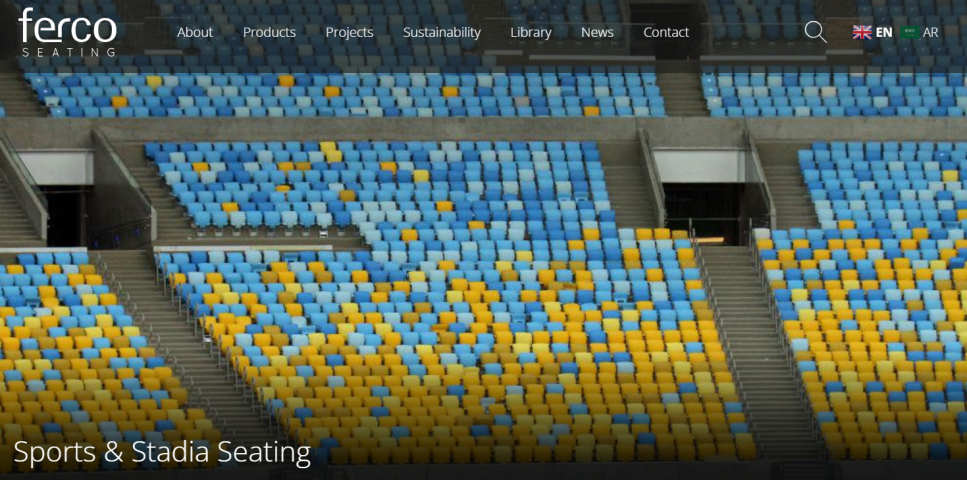
Ferco Seating focuses on luxury and administrative theater setups, utilizing high-quality mechanical adjusters and premium materials.
Overview
With offices in the UK and manufacturing facilities in Southeast Asia, Ferco specializes in ergonomic comfort combined with solid steel frames. Their executive seating incorporates silent, maintenance-free counterweights and recline dampers.
Key Features and Pros
- Silent Gravity-Tilt Mechanisms: Maintenance-free, counterweight seat return systems that do not rely on springs, preventing mechanical noise and wear.
- Ergonomic Cold-Cured Foam: Deep padding designed to resist flattening over extended corporate seminars.
Use Cases
Best for corporate boardrooms, premium VIP cinema halls, and executive training facilities where upscale comfort must coexist with commercial durability.
7. EVOSEATING
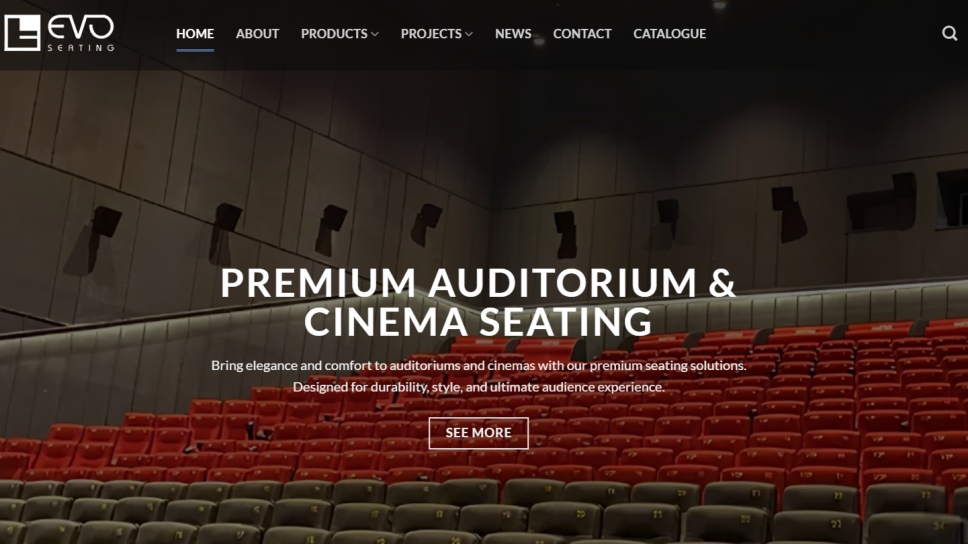
EVOSEATING specializes in high-volume stadium and sports arena seating, with a strong focus on weatherproofing and environmental durability.
Overview
Their seating is designed to withstand the harshest outdoor conditions—ranging from freezing winter climates to intense, direct summer sunlight. They prioritize materials that resist structural embrittlement.
Key Features and Pros
- Anti- Polypropylene: Polymers are infused with custom chemical stabilizers to prevent chalking, cracking, and fading under solar radiation.
- Excellent Drainage: Seat pans are engineered with deep drainage channels to prevent water pooling, reducing moisture-related frame corrosion.
Use Cases
Recommended for open-air stadiums, soccer arenas, and outdoor amphitheaters where elements like rain, sun, and snow are primary degradation factors.
8. KI
KI (Krueger International) is a major educational furniture supplier, focusing on highly flexible, mobile, and durable institutional chairs.
Overview
KI designs furniture for active classrooms and learning environments. Their models emphasize flexible backrests and heavy-duty tubular steel construction capable of withstanding rough daily handling by students.
Key Features and Pros
- Flex-Back Ergonomics: Highly durable polypropylene shells that flex to support dynamic seating postures without fatiguing the material.
- High-Strength Tubular Frames: Scratch-resistant powder-coated frames that resist structural bend under extreme weight loads.
Use Cases
Ideally suited for K-12 classrooms, higher-education seminar rooms, and active-learning college spaces.
9. Martin Public Seating
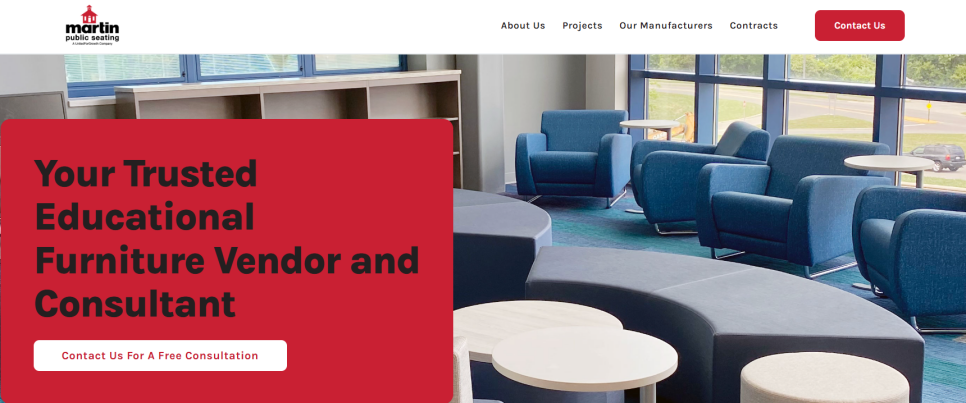
Martin Public Seating focuses on straightforward, robust seating systems designed for institutional environments requiring reliable, high-volume furniture.
Overview
They emphasize sturdy welded frames and thick-ply wood structures. Their designs avoid fragile, over-engineered mechanisms in favor of heavy steel and robust connection points.
Key Features and Pros
- Heavy-Gauge Welded Frames: Fully welded frame joints reduce the number of bolts that can loosen or fail over time.
- Industrial Veneers: Surfaces are covered with thick, commercial-grade laminates designed to resist deep scratches and moisture infiltration.
Use Cases
Best for regional courthouses, public service centers, high-traffic school corridors, and general waiting halls.
While choosing a brand is critical, selecting specific material grades and structural designs is essential to ensuring a low total lifecycle cost.
Buying Guide: Critical Factors for Seating Longevity
When analyzing public venue seating for durability, procurement departments must look past standard catalog metrics. The following engineering specifications should guide the final decision:
- Testing Certifications (): Ensure that the entire seat assembly is certified.
has four levels of classification. Always insist on Level 4 (Severe Category) for any venue with high throughput, as this certifies the product for high-frequency, abusive environments.
- Foam Production Method: Avoid “slab” or “cut” polyurethane foam. Cut foam exposes cell structures to oxygen, accelerating dry-out and crumbling. Instead, specify cold-molded polyurethane foam with a density
. This process seals the outer cell structure, ensuring the foam retains its elasticity and shape over decades.
- Frame Metallurgy: Look closely at structural brackets and stanchions. Cast iron and die-cast aluminum offer excellent strength without the weld seams that are prone to cracking. If using steel, verify that the steel is heavy-gauge (minimum 14-gauge) and boasts continuous, robotically welded seams.
- Hinge and Pivot Design: The point of highest mechanical wear is the folding seat hinge. Gravity-return systems (counterweight-based) are structurally superior to spring-based systems because they have no tension springs that will eventually lose memory or snap.
By weighing these physical performance standards, facility planners can arrive at an objective decision tailored to their specific environment.
Final Verdict
The optimal seating solution in 2026 is determined by the specific stresses of the venue’s environment. For high-traffic public venues, premium university lecture halls, and complex multi-tier auditoriums, Leadcom Seating represents the premier investment due to its comprehensive vertical integration, Level 4 structural certifications, and cold-molded foam technology. Venues requiring telescopic or multi-use sports arena systems should prioritize Hussey Seating’s specialized steel platforms. Meanwhile, Skeie is the stand-out choice for architectural, luxury European venues prioritizing timber aesthetics and cast-iron longevity. Ultimately, selecting a partner based on metallurgical and chemical integrity ensures a facility remains safe and operational for decades to come.
FAQs
Q: What is the main cause of seat foam failure, and how is it prevented?
A: Foam failure occurs when the internal cell walls break down under repeated compressions, leading to sagging or “bottoming out.” It is prevented by using cold-molded high-resilience foam instead of cut foam. Cold-molding creates a dense, protective outer skin that preserves cell wall integrity, allowing the seat to rebound to its original shape even after tens of thousands of uses.
Q: Why is gravity-tilt preferred over spring-return seat mechanisms?
A: Spring-return mechanisms rely on internal metal springs that are under constant tension. Over time, these springs lose their tension, causing the seat to sag or fail to retract fully, creating a safety hazard. Gravity-return systems use counterweights or offset pivots that utilize gravity to return the seat pan to the upright position. This design eliminates mechanical tension, resulting in a virtually maintenance-free hinge that lasts the life of the chair.
Q: How do harsh cleaning chemicals affect commercial seat durability?
A: Strong disinfectants used in healthcare or public facilities can degrade standard fabrics, crack low-density plastics, and cause metal corrosion. To prevent this, specifiers should ensure that metals are protected with durable, scratch-resistant powder coatings, and that fabrics or vinyls are treated with antimicrobial and chemical-resistant finishes that can withstand industrial-grade sanitization.
