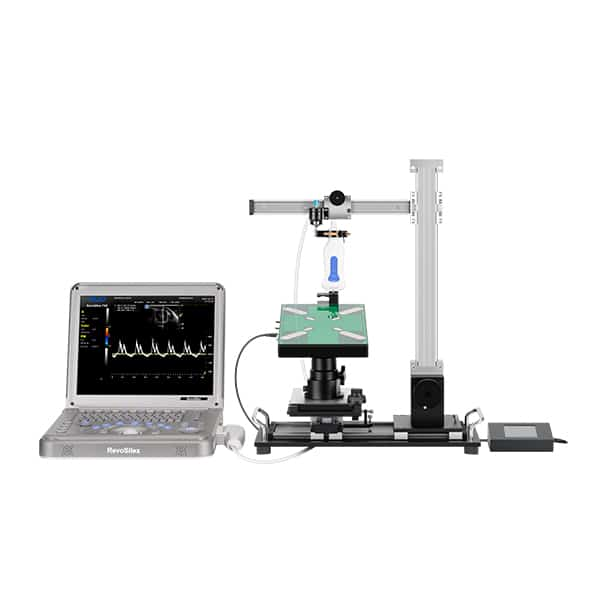
Laser speckle contrast imaging (LSCI) is a technique used to monitor the dynamics of blood flow in biological tissues in real-time. By utilizing the scattering of laser light, this method offers insights into the perfusion of blood, providing valuable data for a range of studies from neuroscience to oncology. It has proven essential for in vivo imaging, particularly in small animal models, where detailed vascular and tissue information is crucial. LSCI allows researchers to obtain high-resolution, non-invasive images without requiring complex procedures or harmful interventions. A key player in this field is BP LabLine, known for integrating LSCI with in vivo imaging solutions such as their high-frequency small animal ultrasound systems, offering a more comprehensive approach to animal research.
Understanding Laser Speckle Contrast Imaging
Laser speckle contrast imaging works on the principle of laser light scattering from tissue. As blood flows through tissues, moving red blood cells disturb the laser light, causing a change in the speckle pattern that is captured by the imaging system. The degree of contrast in the speckle pattern correlates with blood flow velocity, which is then quantified to provide real-time perfusion data. The method is particularly valuable for in vivo imaging as it can capture fast, dynamic changes in circulation, making it ideal for applications like tumor analysis or neurological assessments in small animal models.
Integration with In Vivo Imaging Technologies
LSCI is commonly used alongside other in vivo imaging techniques, such as high-frequency ultrasound systems, to provide a fuller picture of biological systems. The BP LabLine systems, such as the RevoSilex F30/F60, are designed to support high-resolution imaging, including laser speckle contrast imaging for cardiovascular, tumor, and developmental studies. These systems combine Doppler and ultrasound technologies with LSCI, creating a versatile platform that provides both anatomical and functional insights in real-time. Researchers can monitor tumor blood flow, study cardiac function, and evaluate tissue perfusion, all while minimizing the use of invasive methods.
Applications in Biomedical Research
The combination of laser speckle contrast imaging and in vivo imaging technologies is especially valuable in the fields of oncology, developmental biology, and drug discovery. In oncology, it enables the monitoring of tumor vascularization, crucial for evaluating the effectiveness of anti-cancer therapies. In developmental biology, LSCI allows researchers to study how blood vessels form and remodel during embryonic development. For drug discovery, LSCI is instrumental in assessing how drugs influence blood flow and tissue perfusion, providing real-time feedback that accelerates the process of drug testing.
Conclusion
Laser speckle contrast imaging is an invaluable tool for in vivo studies, allowing researchers to explore blood flow dynamics non-invasively and in real-time. The integration of this technology with BP LabLine systems, such as their high-frequency ultrasound products, creates a powerful platform for researchers working in a variety of biological and medical fields. As a result, LSCI and its pairing with in vivo imaging continue to advance the possibilities for non-invasive, high-resolution imaging, improving the understanding of complex biological processes and aiding in the development of new treatments.
