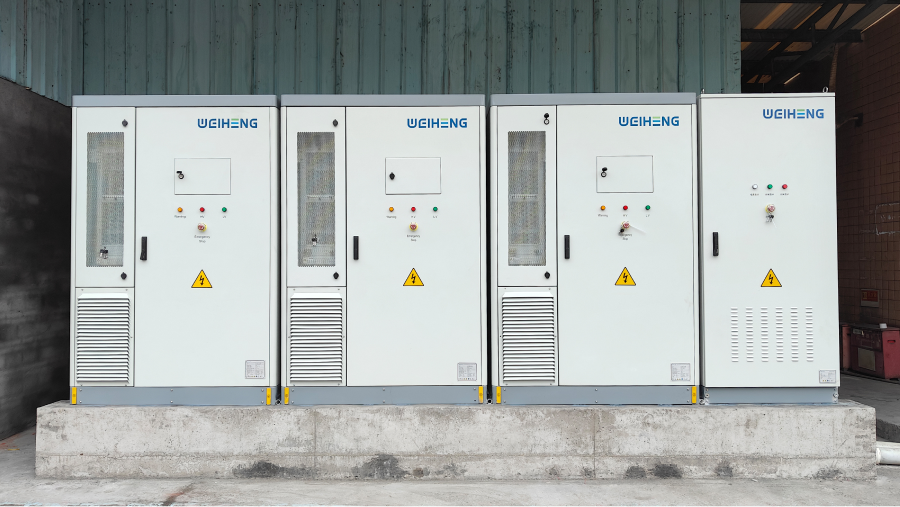
Retrofitting storage into an operating solar setup requires more than adding capacity—it involves aligning generation patterns, load behavior, and control logic. Industrial energy storage solutions are increasingly deployed to capture excess PV output and redeploy it when it delivers the most value. WHES provides commercial battery storage systems engineered for integration with existing assets, enabling facilities to enhance energy utilization without disrupting ongoing operations.
Assessing Site Conditions Before Integration
Effective integration begins with a clear view of how energy flows through the site. This includes PV generation curves, peak demand windows, and any constraints imposed by the grid connection. For industrial energy storage solutions, these inputs determine optimal sizing, placement, and control strategies. A properly configured commercial battery storage system should absorb surplus generation during midday peaks and support loads during high-tariff periods, improving overall system balance.
Control Strategy and System Coordination
Once installed, coordination between solar generation and storage becomes the central factor in performance. Industrial energy storage solutions rely on energy management systems to decide when to charge, discharge, or remain idle based on real-time conditions. A responsive commercial battery storage platform ensures that solar energy is used efficiently while avoiding unnecessary cycling. WHES integrates intelligent control capabilities that allow storage systems to adapt to fluctuating generation and demand without manual intervention.
WHES Solutions for Seamless Solar Integration
WHES designs commercial battery storage systems with modular architecture and flexible interfaces to simplify integration with existing solar infrastructure. These industrial energy storage solutions support applications such as load shifting, peak shaving, and backup supply within a unified system framework. By aligning storage performance with solar output and facility demand, WHES enables businesses to improve energy efficiency while maintaining operational continuity.
