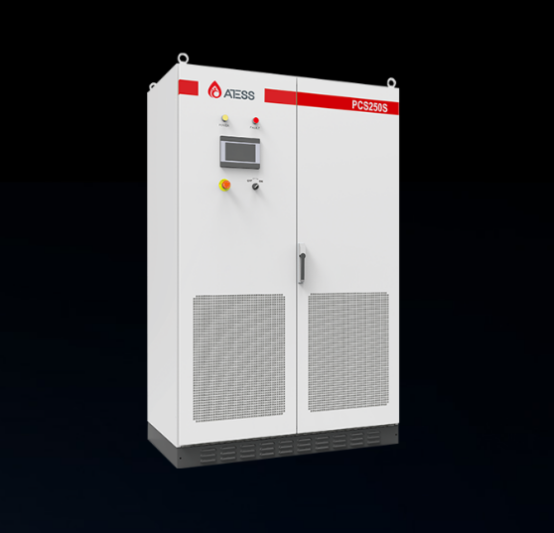
Effective management of energy storage requires a structured approach to hardware integration. Atess provides specialized solutions that facilitate this process through reliable technology. When organizations work with these components, they notice how the equipment serves as a primary bridge between battery banks and the electrical grid. They find that consistent performance relies on proper initial configuration and adherence to technical specifications.
Technical Integration of Hardware
Successful deployment starts with a thorough assessment of site requirements. They monitor the compatibility of the battery inverter with existing infrastructure to ensure seamless data exchange and power stability. The Atess Power Conversion System is designed to handle varying loads, which allows for flexible system architecture. They often prioritize precise cabling and communication wiring, as these steps directly influence the longevity and responsiveness of the units. Proper setup ensures that energy flow remains steady even during peak demand periods.
System Optimization and Monitoring
Maintenance of these systems involves regular observation of output parameters. They analyze the operational data provided by the Atess interface to detect minor inefficiencies before they impact overall performance. Because the Power Conversion System functions as the core controller, they keep firmware updated to maintain harmony with broader grid standards. Integrating these systems requires attention to environmental factors, as they ensure the units are housed in spaces that allow for adequate thermal regulation. By focusing on these specific operational details, they achieve stable power management without unnecessary complexity.
Operational Reliability
Achieving consistent results stems from systematic oversight. They emphasize the importance of following manufacturer guidelines to maintain the integrity of the power flow. As they continue to operate these units, the focus remains on long-term reliability and accurate conversion metrics. The design of the Atess technology supports these goals, enabling consistent energy throughput across diverse applications.
The implementation of these systems requires technical diligence and careful planning. By following established procedures for the Atess Power Conversion System, they ensure that the battery inverter functions within expected parameters. This methodical approach to integration supports durable infrastructure and reliable power delivery over time.
