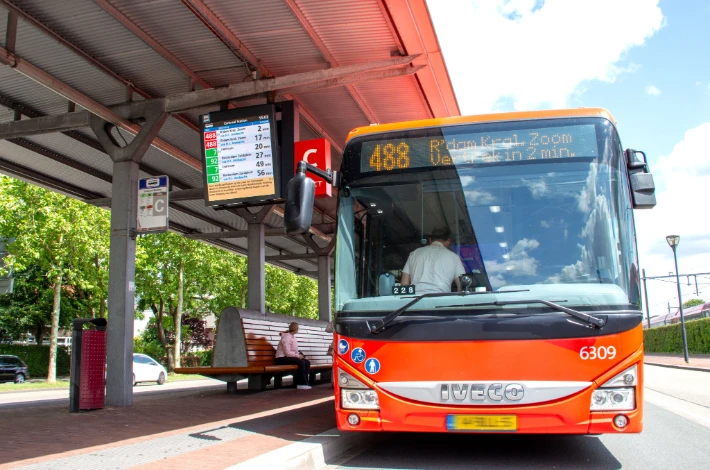
An intelligent transportation system, often referred to as ITS, combines technology and transportation to make travel safer and more efficient. At its core, an ITS uses sensors, communication networks, and data processing to monitor and manage vehicles, infrastructure, and traffic flow. This integration allows systems to respond in real time to changing conditions on roads, bridges, and intersections, helping drivers make informed decisions and improving the overall movement of traffic. Such systems can include adaptive signal control, incident detection, traveler information services, and interactions between vehicles and surrounding infrastructure.
In the context of smart traffic, ITS moves beyond traditional static road signs and signals. Instead of relying on fixed instructions, it provides dynamic control and feedback. This can reduce congestion, shorten travel times, and increase safety by adapting signal timing and informing drivers with timely updates. ITS also supports planning and analysis by collecting data across transportation networks.
How Chainzone Integrates ITS into Smart Traffic Solutions
At the intersection of smart traffic and intelligent transportation systems, Chainzone offers technologies that help infrastructure communicate effectively with road users and control centers. Variable message signs and dynamic displays are examples of hardware that deliver real-time information to drivers. These systems are connected to central management platforms that can update messages based on traffic conditions, incidents, and other data streams.
By integrating displays with ITS platforms, agencies can adjust messages remotely. Whether it’s notifying motorists about unexpected delays, guiding lanes in response to changing traffic flows, or updating speed limits in real time, these capabilities support smoother movement on busy roads and highways. Chainzone’s approach places emphasis on both reliability and effective visual communication within broader intelligent transportation systems.
The Role of Data and Connectivity
Data is central to how ITS functions. Sensors on roadways, cameras at intersections, and connected vehicle systems all produce information that tells traffic managers what’s happening on the network. This data feeds into software that can analyze trends, predict conditions, and trigger control actions. The communication between infrastructure and control centers ensures that smart traffic systems remain responsive and current.
Conclusion
An intelligent transportation system is the backbone of modern smart traffic networks. It uses real-time data, communication technologies, and adaptive control to make transportation safer and more efficient. Chainzone‘s solutions enhance ITS capabilities by providing dynamic signs and connected platforms that help traffic operators deliver accurate information and maintain smoother travel conditions across various road environments.
