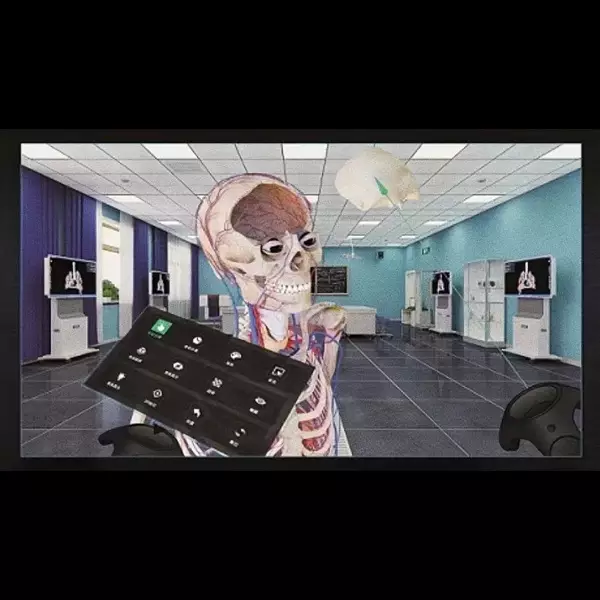
In the realm of medical education, the incorporation of technology is revolutionizing how institutions approach the study of human anatomy. The DIGIHUMAN platform harnesses the power of human anatomy VR for institutions, delivering immersive and interactive experiences that significantly enhance students’ understanding of complex anatomical structures.
Interactive Learning Experience
DIGIHUMAN offers an engaging interactive learning experience through its advanced VR technology. Students can explore three-dimensional anatomical models in a virtual environment, allowing for a richer understanding of body systems, organs, and tissues. This system promotes deeper cognitive retention as students interact directly with the content, manipulating models and exploring intricate details that traditional methods cannot provide.
Comprehensive System Features
The human anatomy VR for institutions includes a multitude of features designed to aid both teaching and learning. Its intuitive wizard system eases novices into the VR environment with comprehensive text and audio guidance. Additionally, a sophisticated puzzle system challenges students at various difficulty levels, while multimedia functionalities like video playback and intricate imagery enhance the overall learning experience, making it more relatable and engaging.
Practical Application and Assessment
With the DIGIHUMAN system, practical application becomes seamless. The platform’s practice exercises integrate magnetic stickers and various question formats, such as multiple-choice and single-choice. This hands-on approach helps students assess their knowledge in real-time, bridging the gap between theoretical learning and practical application, which is crucial in the medical field.
Conclusion
The integration of human anatomy VR for institutions through the innovative DIGIHUMAN platform is transforming the landscape of anatomical education. By providing interactive and immersive learning experiences, facilitators can adequately prepare students for their future roles in healthcare. Embracing this technology equips institutions with versatile tools that foster a comprehensive understanding of human anatomy, enhancing both teaching efficacy and student engagement.
