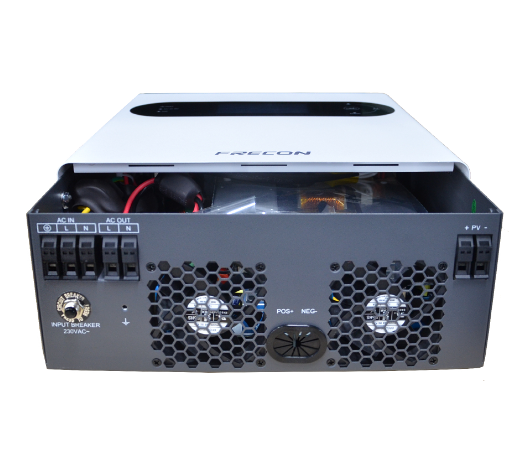
When considering solar energy systems, one common question arises: can a grid-tie inverter be used off-grid? Many experienced users already know that these two types of inverters serve different purposes, but the distinction is important when planning an installation. While grid tie models are designed to synchronize with the utility grid, they are not optimized for independent operation without that grid connection. This makes it necessary to look more closely at alternatives such as an off grid inverter.
The Role of Grid Tie Inverters
Grid tie inverters are built to feed electricity directly into the utility grid. Their main function is to convert DC from solar panels into AC that matches the grid’s voltage and frequency. Without an active grid, these devices generally shut down as a safety measure. For this reason, a grid tie inverter is not suitable for situations where users expect power availability in remote locations or during grid outages. In contrast, an off grid power inverter is specifically engineered to operate independently, often with the support of batteries, ensuring reliable electricity supply where the grid is unavailable.
Conclusion
While it may seem convenient to reuse a grid tie unit for an off grid application, the two technologies are not interchangeable. For users requiring dependable electricity away from the grid, selecting an off grid inverter is essential. Companies such as FRECON provide dedicated solutions for these needs. Their product range includes solar water pump inverters and controllers that are designed for reliable performance in real-world conditions. Rather than adapting equipment to roles it was not built for, choosing the right inverter type ensures efficiency and long-term reliability.
